
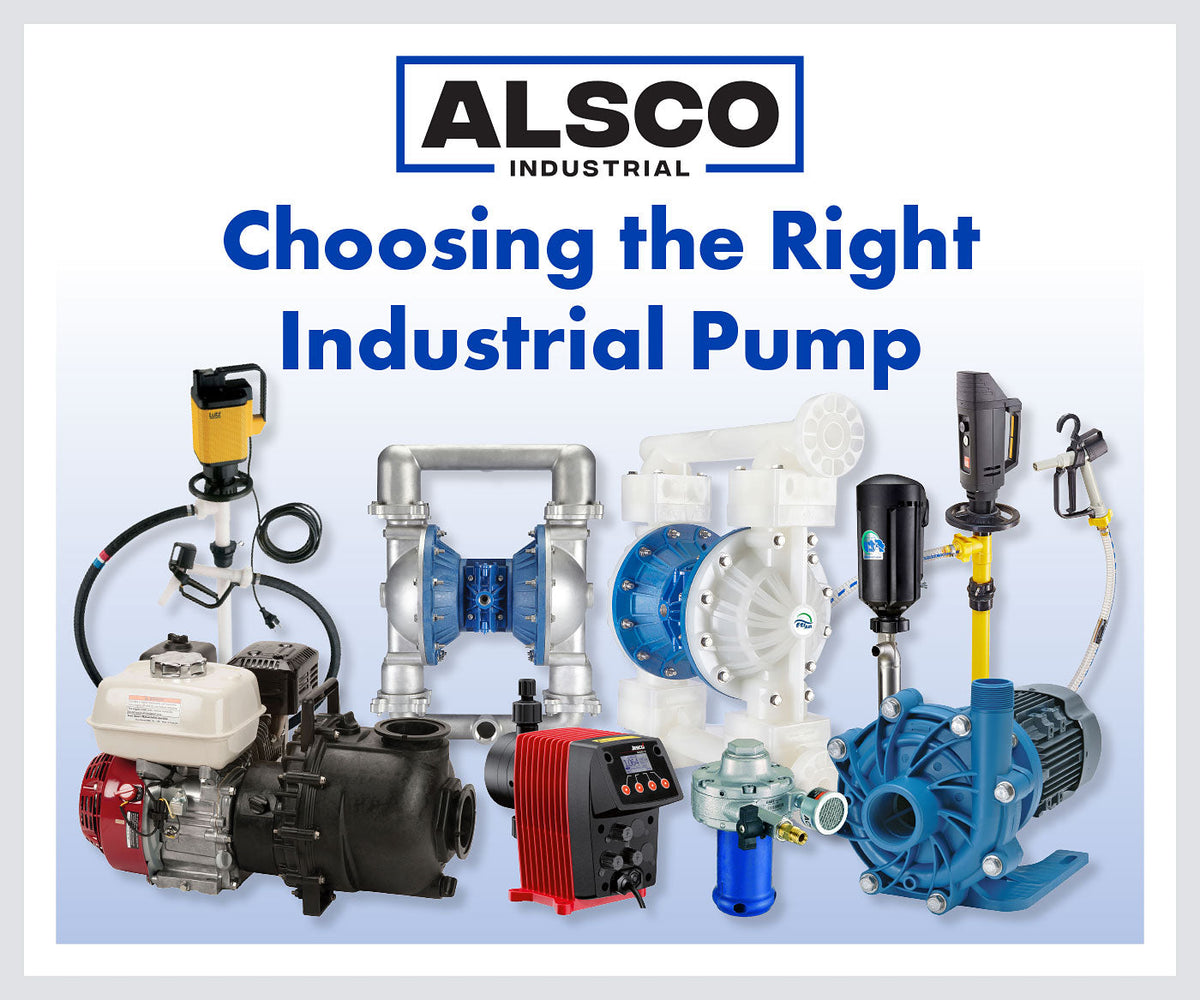
A pump is the component that moves fluid through a system, and the right type depends on what's being pumped, how it needs to move, and where the fluid is coming from. Drawing liquid out of a drum, circulating fluid through a process line, and transferring corrosive chemicals all call for different pump designs, and using the wrong type can mean poor flow, premature wear, or a pump that simply can't handle the fluid involved. Here's a practical look at the main pump types and where each one fits.
Drum and Barrel Pumps: Extracting Liquid From Containers
Drum and barrel pumps are built to draw liquid out of drums, totes, or vats, typically using a tube that extends down into the container and a motor or hand mechanism that draws fluid up and out through a discharge hose or spout. Electric and cordless models support faster transfer for regular use, while hand operated versions offer a simple, low cost option for occasional transfers of chemicals like acids or petroleum products. Tube material needs to match the fluid, since chemical compatibility varies widely between polypropylene, PVDF, and stainless steel options.
Centrifugal Pumps: Continuous Flow for Process Lines
Centrifugal pumps use a rotating impeller to move fluid, making them well suited to continuous, high flow applications like circulating water, transferring fluid between tanks, or feeding a process line. They perform best with thin, low viscosity fluids and can lose efficiency quickly if the fluid is thick or contains solids. Polypropylene and other thermoplastic centrifugal pumps support chemical resistance for agricultural and industrial fluid transfer where metal pumps would corrode.
Diaphragm Pumps: Handling Difficult Fluids
Diaphragm pumps use a flexible diaphragm to draw in and push out fluid, and air operated double diaphragm pumps in particular can run dry without damage and handle viscous fluids, slurries, and fluids with solids that would clog or damage a centrifugal pump. Because they don't rely on a rotating seal in the fluid path, they also support strong chemical resistance, making them a common choice for transferring aggressive or difficult chemicals.
Dosing Pumps: Precise, Controlled Injection
Dosing pumps, often solenoid diaphragm designs, are built to inject small, precise volumes of chemical into a process line at a controlled rate rather than move large volumes of fluid. This makes them well suited to water treatment, chemical feed systems, and any application where accurate dosing matters more than flow rate. Because dosing accuracy is the priority, these pumps are typically sized to the chemical feed rate needed rather than the diameter of the line they connect to.
Matching Pump to Power Source
Beyond pump type, the power source matters for how a pump fits into daily operations. Electric pumps offer continuous, hands free operation for regular transfer needs. Air operated pumps, common in diaphragm designs, work well in environments where electricity isn't available or practical, such as near flammable fluids. Cordless and hand operated pumps offer flexibility for occasional or field use where a fixed power source isn't an option.
Material Still Matters
Just as with pipe, fittings, valves, and tubing, pump material has to match the fluid, temperature, and chemical exposure of the application. Polypropylene, PVDF, and stainless steel pump bodies and tubes each offer a different balance of chemical resistance and mechanical durability, and internal components like seals and diaphragms need their own compatibility check since they're often a different material than the pump body itself.
Matching the Pump to the Job
Choosing the right pump starts with the fluid and the task. Drum pumps handle extraction from containers. Centrifugal pumps handle continuous transfer of thin fluids. Diaphragm pumps handle difficult or viscous fluids. Dosing pumps handle precise chemical injection. From there, power source, chemical compatibility, and flow rate needs narrow the choice down to a specific pump and material.
A Trusted Source for Pumps
Alsco Industrial carries drum, centrifugal, diaphragm, and dosing pumps across a range of materials suited to water service, chemical processing, and agricultural applications. If you're working through pump selection for a new system or replacing an existing one, our technical sales team can help you match the right pump to the application. Reach out at 888-941-3030 or sales@alscoind.com.
Explore More of Our Industrial Product Guides
Fittings, valves, pumps, tubing, and instrumentation all work together in the same fluid handling system, so it's worth seeing how the pieces fit together. Check out our other guides:
- Types of Industrial Pipe Fittings: Elbows, Tees, Unions, and When to Use Each
- Ball, Check, Butterfly, or Diaphragm: How to Choose the Right Industrial Valve
- Clear PVC, Reinforced, or Chemical Tubing: Choosing the Right Industrial Tubing and Hose for Your Application
- Pressure Gauges, Flow Meters, and Level Sensors: A Practical Guide to Process Instrumentation