
Blog

Solvent Cementing in Hot & Cold Weather: What Every Installer Needs to Know
Temperature is one of the most overlooked variables in a successful solvent cement joint. Most installers understand the basic procedure, but the s...
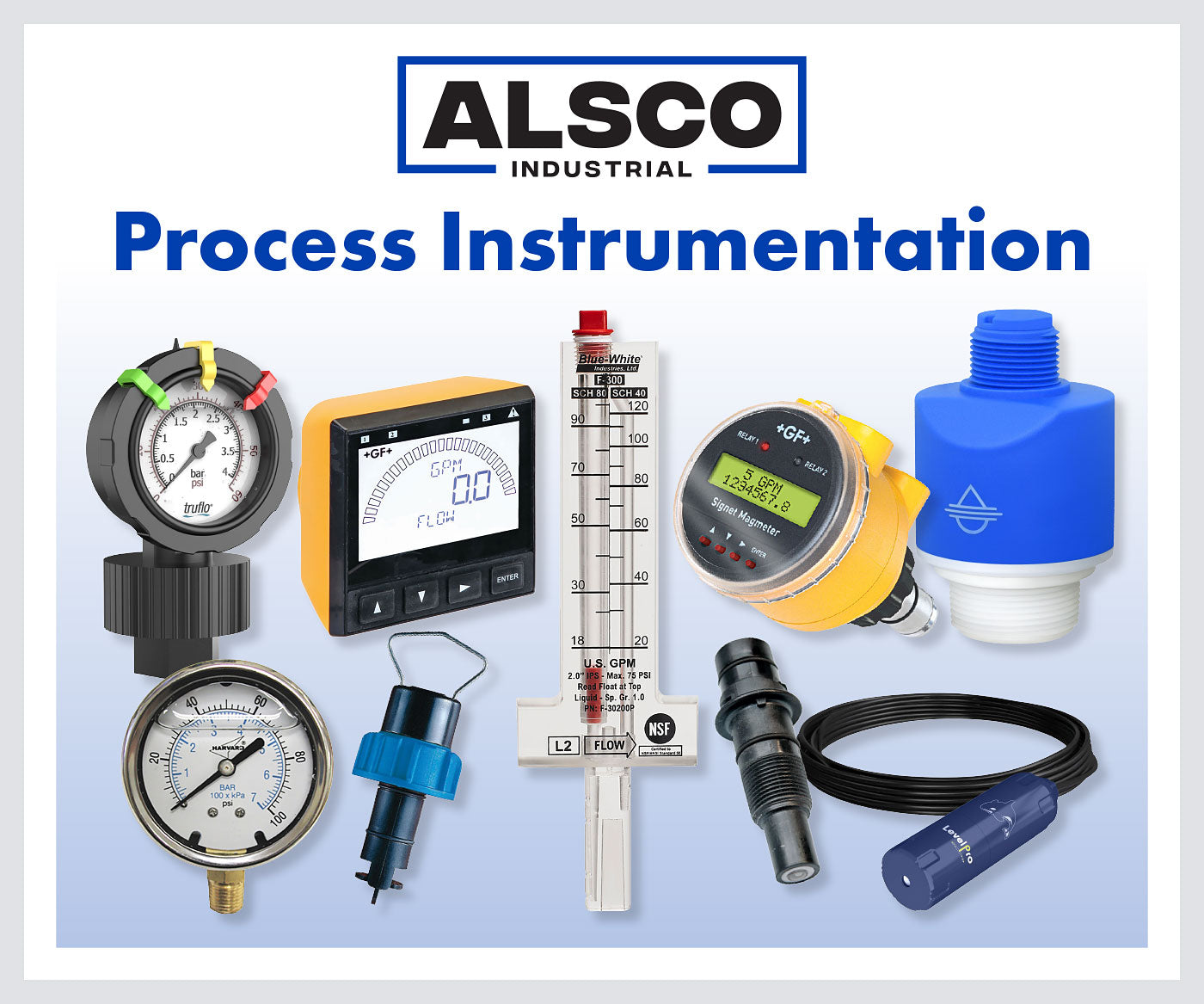
Pressure Gauges, Flow Meters, and Level Sensors: A Practical Guide to Process Instrumentation
Process instrumentation is the set of devices that measure and monitor conditions like pressure, flow, level, and fluid chemistry in a piping or ta...

Clear PVC, Reinforced, or Chemical Tubing: Choosing the Right Industrial Tubing and Hose for Your Application
Industrial tubing and hose are flexible piping used to transfer, circulate, or draw fluids and gases in applications where rigid pipe isn't practic...
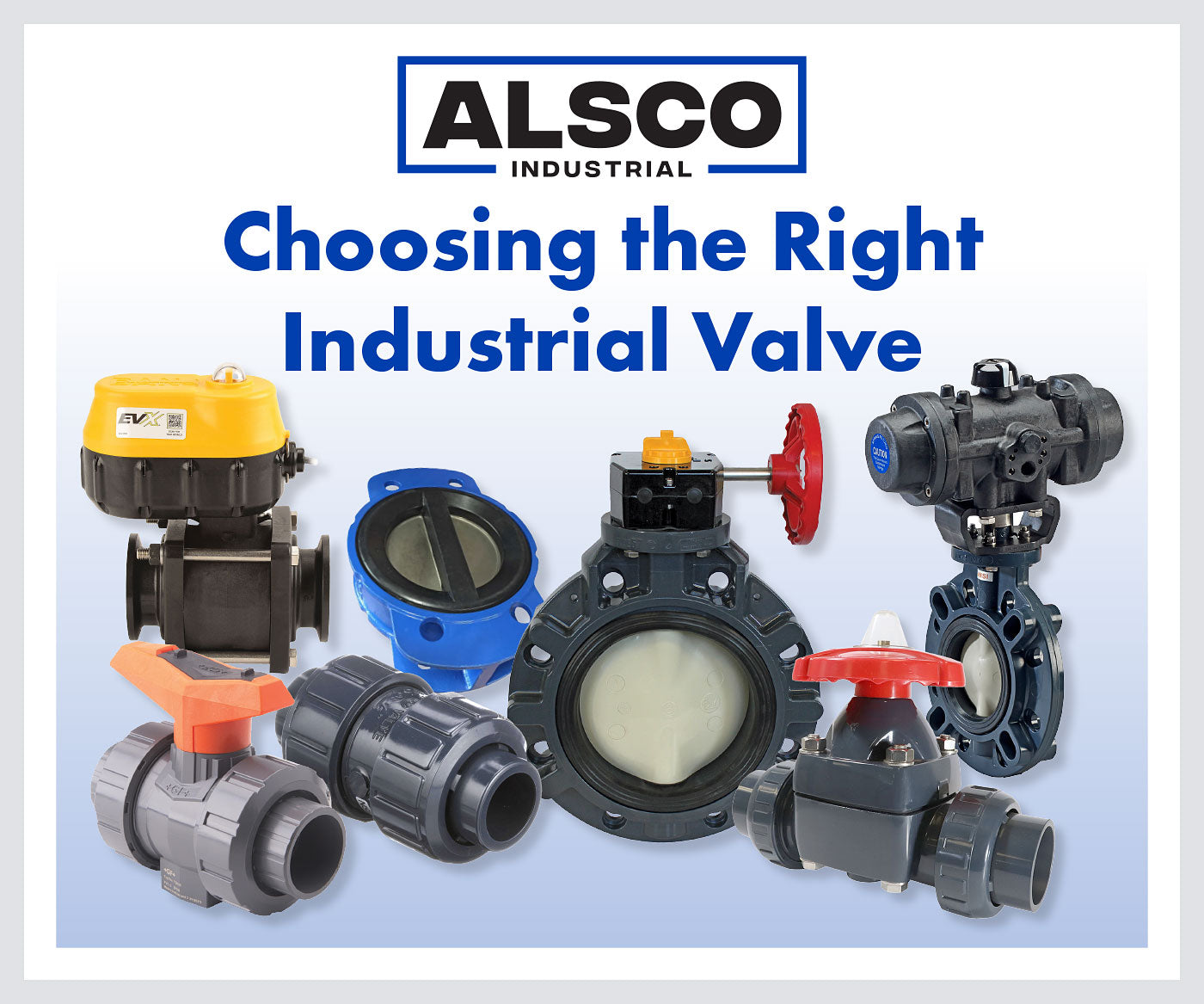
Ball, Check, Butterfly, or Diaphragm: How to Choose the Right Industrial Valve
A valve is the component in a fluid handling system that starts, stops, throttles, or redirects flow, and the right choice depends on what job that...
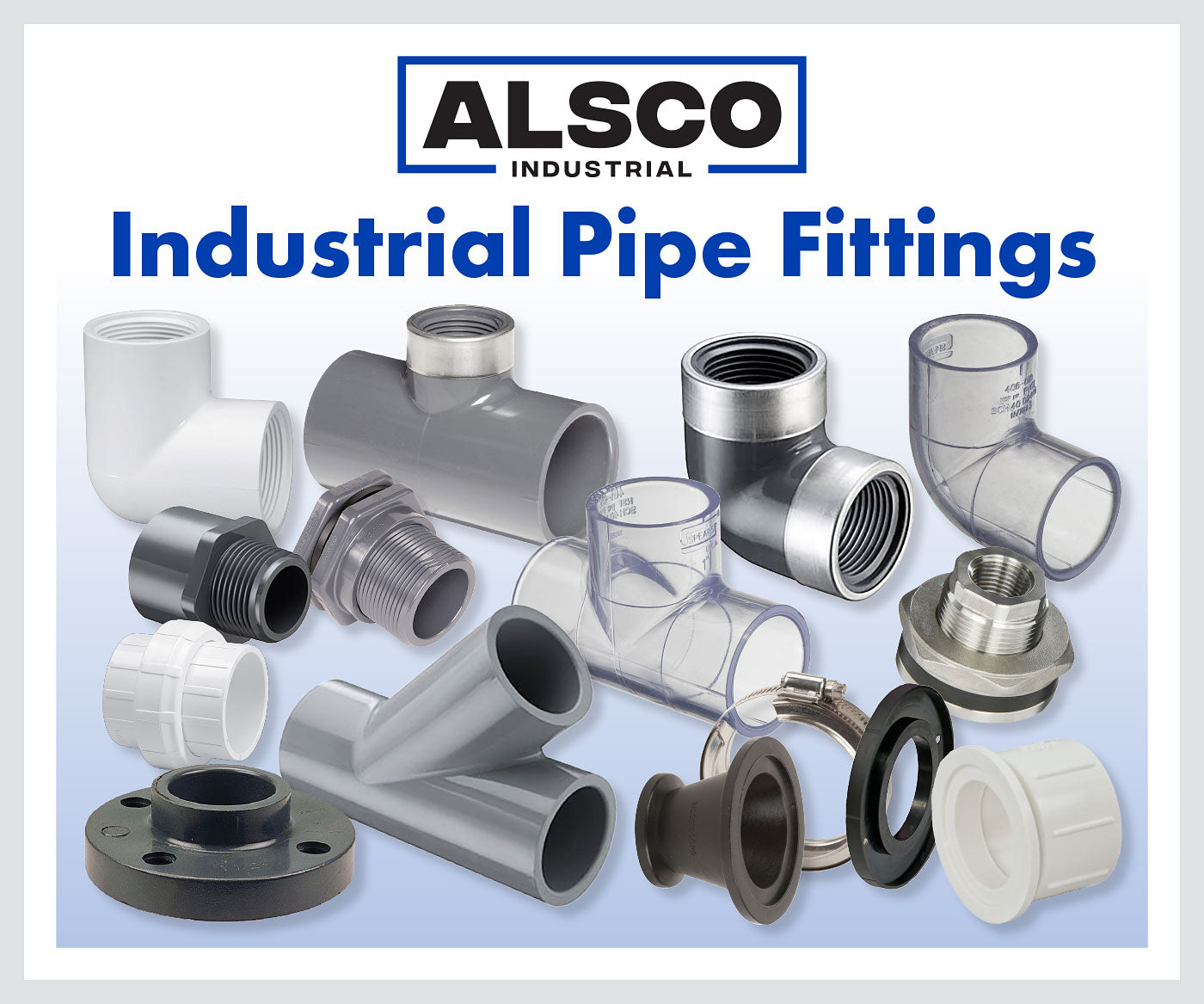
Types of Industrial Pipe Fittings: Elbows, Tees, Unions, and When to Use Each
Pipe fittings are the components that connect, redirect, branch, and terminate piping in a fluid handling system, and choosing the right one for ea...
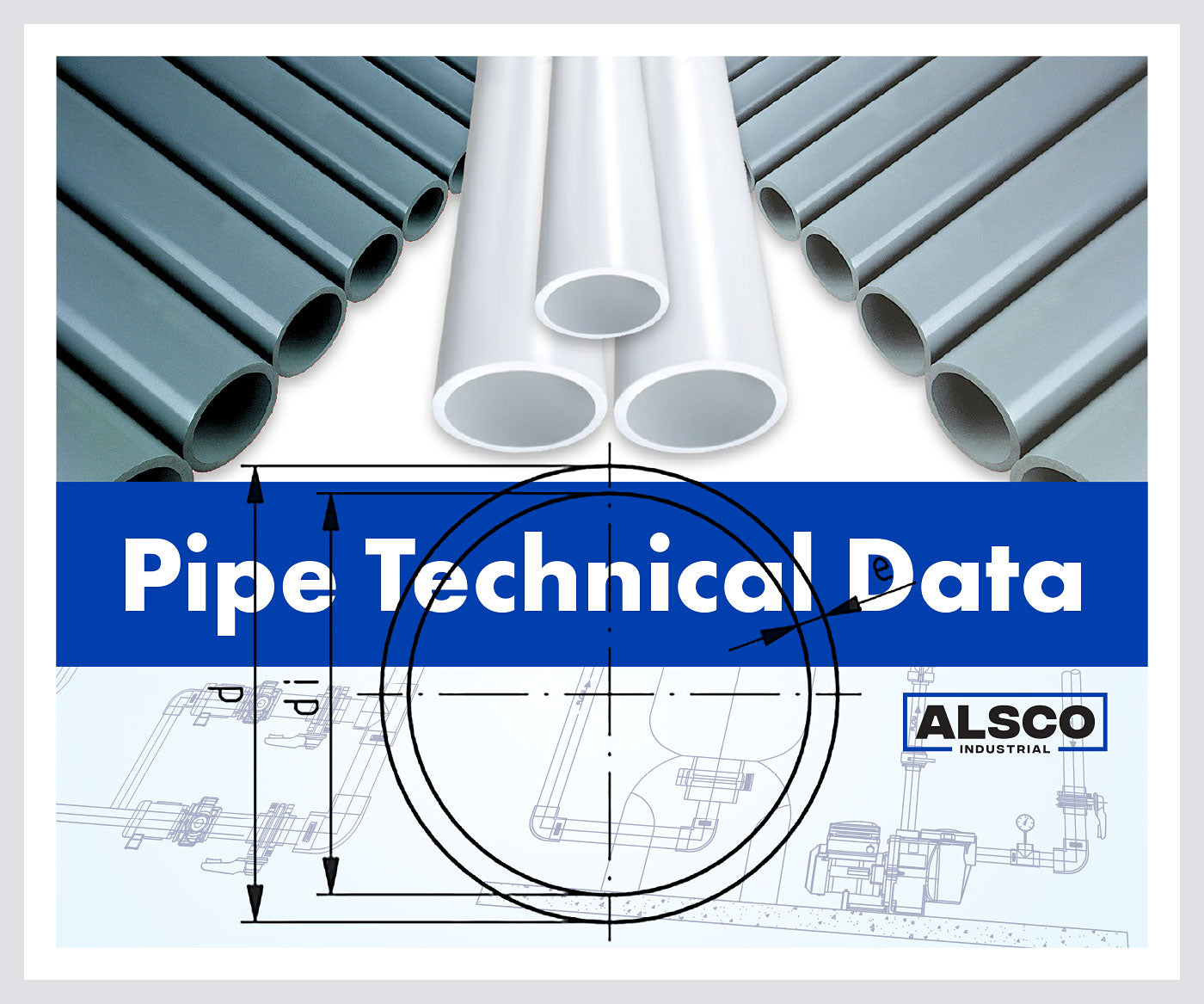
PVC and CPVC Pipe Technical Data: What You Need to Know Before You Specify
Selecting the right thermoplastic pipe for a fluid handling system involves more than choosing a size. Wall thickness, pressure rating, operating t...